Novram Novram

What is the Difference Between DRAM and SRAM?

Time:2026-08-12 Author:Liam
0%

When discussing computer memory, understanding the DRAM vs SRAM difference is essential. Dynamic RAM (DRAM) and Static RAM (SRAM) serve crucial roles in computing but function distinctly. DRAM is prevalent in main memory, while SRAM is often found in cache memory.

DRAM requires constant refreshing to maintain data. This refresh cycle makes DRAM slower compared to SRAM. On the other hand, SRAM retains data bits in its memory as long as power is supplied, leading to faster access times. The architecture of SRAM allows it to work without refresh cycles, making it more efficient for high-speed operations.

While both types have their merits, choosing between them requires careful consideration. DRAM is cost-effective and dense, ideal for larger storage capacities. In contrast, SRAM is faster but more expensive and less dense. Evaluating the specific needs of a project is crucial in understanding how these differences impact performance and cost. This analysis underscores the importance of selecting the right memory type for optimal results.
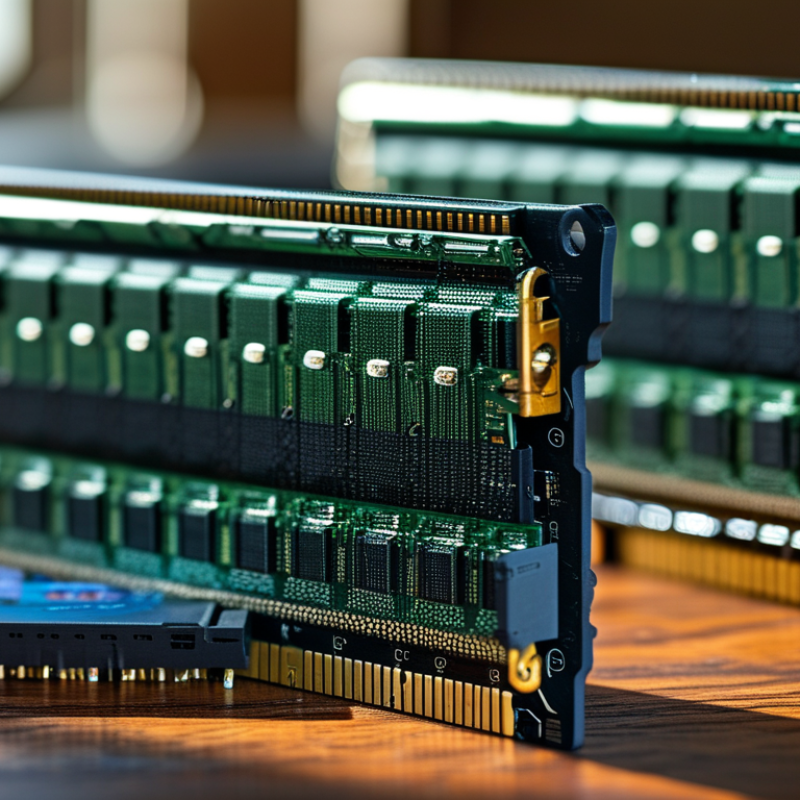
What is the Difference Between DRAM and SRAM?

Understanding DRAM and SRAM: Basic Definitions

Dynamic Random-Access Memory (DRAM) and Static Random-Access Memory (SRAM) serve different purposes in computing. DRAM is commonly used for main memory in devices like computers and smartphones. It stores each bit of data in a separate capacitor. This allows for high density, meaning it can hold a lot of data in a small space. However, DRAM needs frequent refresh cycles to maintain data integrity, making it slower than SRAM.

On the other hand, SRAM uses bistable latching circuitry to store each bit. This makes it faster and more reliable than DRAM. It doesn’t require constant refreshing, which enhances its speed. However, SRAM is less dense, meaning it takes up more space on a chip for the same amount of data storage. This can make it more expensive to produce.

Each type of memory has its advantages and challenges. DRAM is cost-effective and suitable for large data storage, but the refresh requirement can lead to latency issues. SRAM offers speed and stability, yet its size and cost limit extensive use. Understanding these differences helps in optimizing device performance based on specific needs.

Key Characteristics of DRAM: Structure and Function

Dynamic Random Access Memory (DRAM) plays a crucial role in modern computing. It is structured with memory cells that store data as electric charges in capacitors. Each cell consists of one transistor and one capacitor. This simple design allows for high density, making DRAM a popular choice for main memory in computers and devices.

The function of DRAM heavily relies on its need for constant refreshing. The stored charge leaks over time, which means the data must be frequently rewritten. This refresh cycle can slow down performance. However, the lower cost and higher density of DRAM often outweigh these downsides in many applications. Implementing DRAM requires careful consideration of refresh rates and power consumption.

In contrast to Static RAM (SRAM), DRAM is less expensive but slower. SRAM holds data in a stable state, using multiple transistors per bit. This allows for faster access times, but at the cost of increased complexity and size. Both types have unique advantages, requiring different use cases. Understanding these characteristics is vital in selecting the appropriate memory type for specific applications.

What is the Difference Between DRAM and SRAM? - Key Characteristics
Characteristic DRAM SRAM
Type Dynamic Static
Data Storage Capacitors Flip-Flops
Speed Slower Faster
Power Consumption Higher Lower
Density Higher Lower
Cost Lower Higher
Use Case Main memory Cache memory

Key Characteristics of SRAM: Structure and Function

SRAM, or Static Random Access Memory, is essential in electronic devices. Its structure is built from a series of flip-flops, which store each bit of data. This design allows SRAM to retain information as long as the power is on. The complexity of this structure results in fast access times and enhanced performance.

The function of SRAM differs significantly from DRAM. SRAM offers lower latency and is faster than DRAM. This makes it ideal for cache memory in processors. However, SRAM is also more expensive and less dense. The trade-off between speed and capacity can lead to important design considerations in system architecture.

While SRAM has many advantages, it comes with challenges. Power consumption can increase at higher speeds. Also, its cost may limit its use in larger applications. Designers must weigh these factors carefully. Balancing performance with efficiency is crucial in many scenarios.

Comparative Analysis: Performance and Application Differences

When comparing DRAM and SRAM, performance and applications reveal their distinct characteristics. DRAM is slower but more compact, making it preferable for main memory in computers. It requires constant refreshing, affecting its speed. SRAM, however, offers speed advantages and does not need frequent refreshing. This makes it ideal for cache memory in CPUs.

Tips: When choosing between DRAM and SRAM, analyze your specific needs. Evaluate speed versus capacity. For applications requiring quick access times, SRAM is the better option. For devices where space is limited, like smartphones, DRAM serves better.

The choice isn't always clear. Even experts may struggle to balance performance with cost. While SRAM excels in speed, it is pricier and takes up more space. DRAM, while economical, may fall short in speed-critical tasks. Understanding these differences can aid informed decisions.

Comparison of DRAM and SRAM Performance

Cost and Power Consumption: DRAM vs SRAM Insights

When comparing DRAM and SRAM, cost and power consumption stand out as critical factors. DRAM generally comes at a lower cost per bit compared to SRAM. Industry reports indicate that DRAM prices can be as low as $2.50 per gigabit, while SRAM might reach $15 to $20 for the same amount of memory. This significant price difference means that DRAM is the preferred choice for applications demanding large memory capacities.

Power consumption is another vital aspect. DRAM requires periodic refreshing to retain data, leading to higher energy consumption during operation. Studies show that DRAM consumes about 20-30 mW per gigabyte in idle mode, whereas SRAM operates at roughly 10-15 mW. While SRAM is typically faster and consumes less power when active, it does not have the same efficiency in large-scale applications like DRAM. The power overhead of refreshing DRAM can be nerve-wracking, especially for battery-operated devices.

Despite these insights, both DRAM and SRAM have their shortcomings. DRAM’s complexity and the need for refreshing can introduce latency issues. Conversely, the higher costs of SRAM restrict it from being used in memory-intensive applications. The choice between these memory types often feels like a trade-off, forcing engineers to prioritize either performance or cost-effectiveness.

FAQS

: What is DR

M?

How is DRAM structured?

Each DRAM cell has one transistor and one capacitor. This design allows for high density.

Why does DRAM need constant refreshing?

The stored charge leaks over time. Frequent rewriting is necessary to maintain data integrity.

What are the disadvantages of DRAM?

The refresh cycle can slow down performance. It may not be suitable for speed-critical tasks.

How does DRAM compare to SRAM?

DRAM is slower but more compact. SRAM is faster but uses more space and is more costly.

When should I use DRAM?

DRAM is ideal for main memory, especially where space is limited, like in smartphones.

What are the trade-offs between using DRAM and SRAM?

The choice involves balancing speed and cost. Experts often struggle with this decision.

Is there a perfect choice between DRAM and SRAM?

No single option is perfect. Needs may vary based on application requirements and performance criteria.

What factors should I consider when choosing memory?

Evaluate the need for speed versus capacity. Different applications have varying demands for memory types.

Can performance always dictate the choice of memory type?

Performance alone doesn’t guide the choice. Cost and physical space also play critical roles.

Conclusion

The article "What is the Difference Between DRAM and SRAM?" explores the fundamental distinctions between these two types of memory. DRAM (Dynamic Random-Access Memory) and SRAM (Static Random-Access Memory) serve different purposes in computing, marked by their structural and functional differences. DRAM is characterized by its use of capacitors to store each bit of data, requiring constant refreshing to maintain the information, while SRAM utilizes flip-flops, providing faster access without the need for refresh cycles.

In terms of performance, the comparative analysis reveals that SRAM is typically faster and more reliable due to its static nature, making it ideal for cache memory applications. In contrast, DRAM is more cost-effective and offers greater storage capacity, making it suitable for main memory in devices. The DRAM vs SRAM difference is also evident in their power consumption, with DRAM generally consuming less power than SRAM. Ultimately, the choice between the two depends on the specific requirements of the application in terms of speed, cost, and power efficiency.

Liam

Liam

Liam is a dedicated marketing professional with a profound expertise in the industry, where he excels at highlighting the unique advantages of our core products. With a keen understanding of market trends and consumer needs, Liam frequently updates our company’s professional blog, providing......